


Winterizing A Hard Keeper Horse starts with adequate forage, appropriate calories, whole-food nutrition, shelter from the elements, and close monitoring of body condition.
As temperatures drop and winter settles in, some horses have a much harder time maintaining their weight. Cold weather increases the energy a horse uses to stay warm, and hard keepers can lose condition surprisingly quickly.
If your horse tends to drop weight during the winter months, now is the time to be proactive.

Start With Plenty of Forage
The foundation of a winter feeding program is forage.
Horses are designed to spend much of their day consuming and digesting fibrous plant material. During cold weather, providing plenty of hay is especially important. The process of digesting forage produces heat within the horse’s digestive tract.
Make sure your hard keeper has access to adequate hay or other appropriate high-fiber forage throughout the day and night. A horse should not be left standing for prolonged periods without something to eat.
When temperatures become especially cold, wet, or windy, your horse may require additional calories to maintain body condition.
This is where knowing your individual horse becomes important.
Feeding Whole Oats for Additional Calories
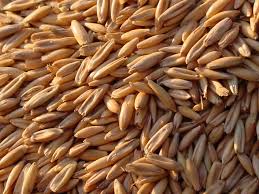
At Equine Challenge Supplements, we do recommend whole oats as one option for adding calories to the diet of horses that need additional energy.
If your horse is already eating whole oats, you may be able to gradually increase the amount during colder weather. For example, adding approximately one cup in the morning and one cup in the evening may be appropriate for some horses.
If your horse is new to whole oats, begin with a smaller amount and increase gradually. Horses needs vary based on the size, current diet, workload, body condition, and individual needs.
There is no single amount of oats that is right for every horse.
Monitor your horse's weight and body condition rather than feeding by a fixed number alone.
If your horse continues to lose weight after an appropriate adjustment, additional calories may be needed.
During particularly cold weather, we recommend feeding a larger portion of the daily whole-oat ration with the evening meal.
Why Feed More in the Evening?
A horse uses energy continuously to maintain its body temperature. Feeding forage in the evening can help provide the fuel needed for heat production during the colder nighttime hours.
Do you have a hard keeper that is already receiving whole oats? Shifting more of the daily oat ration toward the evening feeding can be one practical strategy during a cold spell.
However, oats should complement—not replace—the horse’s forage program.
The goal is to provide enough calories to maintain a healthy body condition while continuing to support normal digestive function.
Don't Forget Shelter From Wind and Weather
Nutrition is only part of winterizing your horse.
A hard keeper should have access to shelter. A dry shelter or windbreak, where they can get out of wind, rain, snow, and other harsh weather conditions. This can make a significant difference in how much energy a horse must use to stay warm.
A horse that is constantly exposed to cold wind and wet weather may require more calories simply to maintain body temperature.
Keeping the horse dry and protected can help reduce that additional energy demand.

What About Senior Feed?
Commercial senior feeds are often recommended when a horse begins losing weight. Senior feeds are not automatically the best solution for every hard keeper.
The important thing is to look at the entire diet and the actual nutritional needs of the horse. Don’t choose a feed simply because it is marketed for senior horses or weight gain.
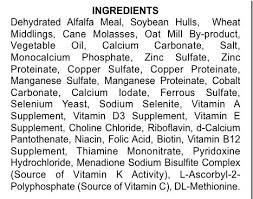
Look at the ingredients, guaranteed analysis, feeding directions. Most importantly—how much of the product the manufacturer recommends feeding.
Remember that a vitamin and mineral supplement, a ration balancer, and a complete feed are not the same thing. They are designed to be fed at very different rates and serve different purposes.
The quality and nutritional value of the entire diet matter much more than simply choosing a product labeled “senior” or “weight gain.”
Read the Feed Tag
Understanding what you are actually feeding is an important part of responsible horse care.
When evaluating a commercial feed, don’t simply look at the front of the bag. Turn it around and read the feed tag.
Look at:

The guaranteed analysis
- Feeding directions
- Ingredient list
- Protein, fat, and fiber levels
- Sugar and starch information when available
- Added vitamins and minerals
- The amount recommended to be fed per day
A feed’s ingredient list can tell you a great deal about the product, but remember that ingredients should not be judged individually or simply labeled “good” or “bad.” The overall formulation, nutrient levels, feeding rate, and your horse’s complete diet all matter.
Learn more: How to Read Feed Tag Labels on Horse Feed
Whole Oats and Winter Heat Production
Whole oats can be a useful source of additional calories for horses that need help maintaining weight during cold weather.
One reason oats have traditionally been used in winter feeding programs is their relatively higher fiber content compared with corn. When fiber is fermented in the horse’s hindgut, heat is produced as a natural byproduct of digestion.
Kentucky Equine Research notes that when oats and corn provide equal amounts of
digestible energy, oats can produce greater body heat because they are more fibrous. This makes the type of energy source important when feeding horses during cold weather.
For a hard keeper that is already receiving whole oats, feeding a larger portion of the daily oat ration with the evening meal can be a practical strategy during particularly cold weather. The calories from the oats provide energy, while their fiber content contributes to the heat produced during digestion.
This is one reason we recommend paying attention not only to how many calories your horse receives, but also where those calories come from.
Whole oats should still be fed appropriately for the individual horse, and dietary changes should be made gradually. They should complement—not replace—a forage-based feeding program.
Winterize Before Your Horse Loses Weight
The best time to winterize a hard keeper is before you can see the weight coming off.
Don’t wait until your horse has already lost significant condition to make changes. Begin monitoring body condition as temperatures fall and be prepared to adjust the feeding program when necessary.
Every horse is different. Age, workload, forage, metabolism, weather, dental health, and overall health can all influence how easily a horse maintains weight.
And remember: a horse that consistently struggles to maintain weight deserves more than simply adding feed. Dental problems, parasites, ulcers, illness, and other underlying issues can contribute to unexplained weight loss. This should be addressed with your veterinarian when appropriate.
Winter management is about paying attention, making thoughtful adjustments, and feeding the horse in front of you. Don’t simply follow a one-size-fits-all feeding program.
A proactive approach can help your hard keeper enter spring healthy, comfortable, and in the right body condition.
Frequently Asked Questions About Winterizing A Hard Keeper Horse
Related Reading
Why do hard keeper horses lose weight in winter?
Hard keeper horses may lose weight during winter because cold temperatures increase the energy they use to maintain body temperature. At the same time, pasture quality often declines and horses may have less access to fresh grass. Older horses, horses with poor body condition, and horses with higher energy demands may be especially susceptible to winter weight loss.
Should I feed my hard keeper more hay in the winter?
Yes. Increasing good-quality forage is one of the first nutritional strategies to consider when temperatures drop. The fermentation of fiber in the hindgut produces heat, making forage an important source of both energy and warmth for horses during cold weather.
How can I help my horse gain or maintain weight during winter?
Start with adequate, good-quality forage and monitor your horse’s body condition regularly. If additional calories are needed, your veterinarian or equine nutritionist may recommend increasing the energy density of the diet with an appropriate feed or fat source. Any changes should be made gradually and according to the individual horse’s needs.
Does a horse need more calories when the temperature drops?
A horse’s energy requirements can increase as temperatures fall below its lower critical temperature. The amount varies according to the horse’s winter coat, body condition, age, size, shelter, wind and moisture exposure, and other individual factors. Rather than relying on one number for every horse, monitor body condition and adjust the diet as needed.
Can feeding more hay help keep a horse warm?
Yes. Forage is particularly useful in cold weather because fiber is fermented by microbes in the hindgut, producing heat as part of the digestive process. Providing sufficient forage can therefore help support both calorie intake and thermoregulation.
Does my hard keeper need a vitamin and mineral supplement in winter?
Winter does not automatically increase a horse’s vitamin and mineral requirements, but the nutrient content of the overall diet still needs to be balanced. When pasture is replaced by stored hay, some vitamins can decline during storage, making it important to evaluate the forage and overall ration rather than assuming the diet is complete.
How much water does a horse need in winter?
Horses need plenty of fresh water during winter, even when temperatures are freezing. Cold weather and increased consumption of dry hay can make adequate water intake especially important. Water that is too cold or frozen may discourage drinking and can contribute to dehydration and an increased risk of impaction colic.
Should I blanket my hard keeper horse?
Not every horse needs a blanket. However, a thin horse, senior horse, clipped horse, or horse that is not acclimated to cold weather may benefit from additional protection. Providing adequate shelter, keeping the horse dry, and maintaining appropriate body condition are also important parts of winter management.
How can I tell if my horse is losing weight under a winter coat?
Regularly evaluate body condition rather than relying only on how your horse looks. A thick winter coat can hide gradual weight loss, so running your hands over the horse’s ribs, topline, and hips and monitoring body condition throughout the winter can help identify changes early.
When should I be concerned about winter weight loss in my horse?
If your horse is losing noticeable weight despite having adequate forage and feed, or if weight loss is rapid or accompanied by changes in appetite, manure, behavior, or overall health, it’s time to involve your veterinarian. Dental problems, parasites, metabolic issues, and other health conditions can contribute to unexplained weight loss and should not simply be attributed to cold weather.