


What Are Electrolytes
They are minerals that carry an electrical charge when dissolved in body fluids. Electrolytes for horses regulate many of the body’s most important functions, including:
- Maintaining hydration
- Supporting normal muscle contraction
- Proper nerve function
- Regulating acid-base balance
- Helping cells absorb and retain water
The primary electrolytes horses require include:
- Sodium
- Chloride
- Potassium
- Magnesium
- Calcium
These minerals work together continuously to keep your horse functioning normally.

Horses Lose More Than Water
Many owners focus on replacing water after exercise, but sweat contains significant amounts of essential minerals.
A horse may lose several gallons of sweat during:
- Summer heat
- Long trail rides
- Endurance riding
- Barrel racing
- Roping
- Dressage
- Eventing
- Transport in hot weather
Replacing water without replacing electrolytes can slow recovery and delay the body’s ability to restore normal fluid balance.

Signs Your Horse May Need Electrolyte Support
Electrolyte depletion may contribute to:
- Reduced stamina
- Muscle fatigue
- Slow recovery after exercise
- Excessive tiredness
- Decreased water intake
- Dry or tacky gums
- Muscle cramping
- Poor performance
- Heavy or prolonged sweating
Severe electrolyte depletion can become a veterinary emergency, so horses showing significant dehydration or illness should always be evaluated by a veterinarian.
Is Salt Enough
Salt is an important part of every horse’s diet because it supplies sodium and chloride—the two minerals lost in the greatest amounts through sweat.
However, horses experiencing heavy sweating may also lose meaningful amounts of potassium, magnesium, and calcium. During periods of intense work, prolonged heat, or extended sweating, a balanced electrolyte supplement may provide more complete replacement than salt alone.
Every horse’s needs are different, depending on forage, workload, climate, and overall diet.

Which Horses Benefit Most
Electrolyte supplementation may be especially beneficial for:
- Performance horses
- Endurance horses
- Horses working in hot or humid weather
- Horses hauled long distances
- Horses that sweat heavily
- Horses recovering after strenuous exercise
- Any horse in extreme heat or humidity
Many horses kept primarily at pasture with light activity may meet their needs with quality forage, a balanced mineral program, and free-choice salt.
Don't Forget Water
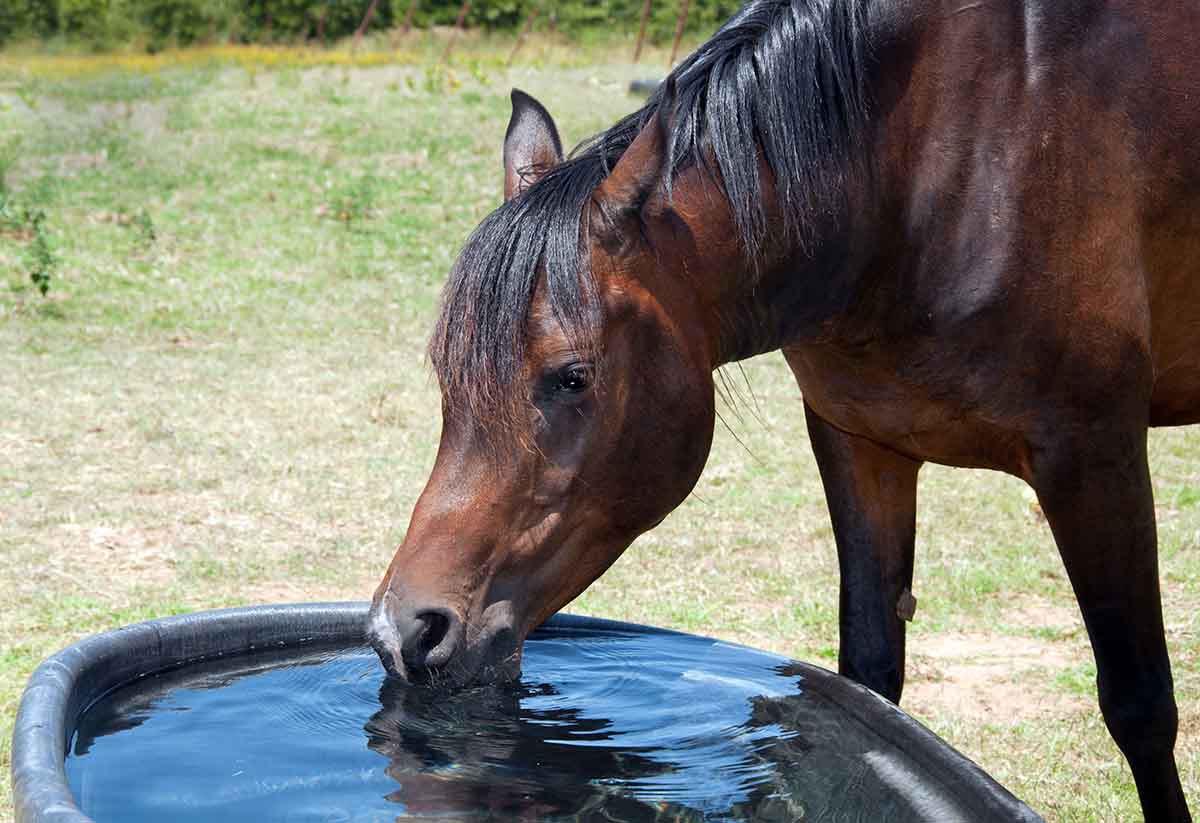
Electrolytes should always be paired with access to clean, fresh water.
Providing electrolytes without adequate water can actually increase the risk of dehydration.
Fresh water should always be available before, during, and after exercise whenever possible.
The Bottom Line
Electrolytes play a vital role in hydration, muscle function, nerve signaling, and recovery. While every horse requires sodium and other essential minerals, horses that sweat heavily often benefit from additional electrolyte support beyond a plain salt block.
Understanding your horse’s workload, environment, forage, and nutritional program can help determine whether electrolyte supplementation is appropriate.
Supporting proper hydration today helps support your horse’s health, comfort, and performance tomorrow.
Related Articles
No, not necessarily. Horses in light work often meet their needs with a balanced diet, quality forage, and free-choice salt. Horses that sweat heavily or perform strenuous work are more likely to benefit from additional electrolyte supplementation.
No, salt blocks provide sodium and chloride, but they do not replace minerals lost through heavy sweating. Horses in demanding work may require a balanced electrolyte supplement.
Common signs include fatigue, muscle soreness, prolonged recovery, heavy sweating, reduced performance, and decreased water intake.
It depends on the horse’s workload, climate, and individual needs. Horses in consistent work during hot weather may benefit from regular supplementation, while others may only need electrolytes during periods of increased sweating.