


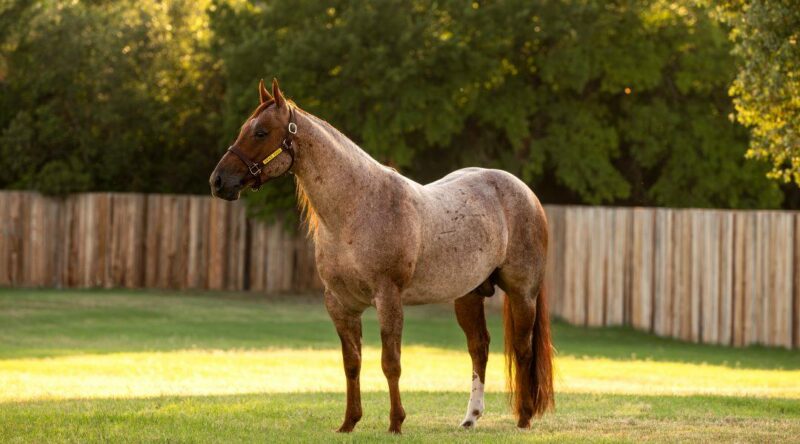
Understanding how Amino Acids for Horses work can help horse owners make better feeding decisions and provide more complete nutritional support.
When it comes to feeding horses, protein is often one of the first things owners look for on a feed or supplement label. But have you ever stopped to consider what actually makes protein useful to your horse?
The answer lies in amino acids.
Amino acids are the building blocks of protein, and they play an essential role in muscle development, topline maintenance, hoof growth, tissue repair, and many other functions throughout the body.
However, not all protein sources provide the same amino acid balance. A horse may consume adequate amounts of crude protein while still receiving less than optimal amounts of certain essential amino acids.
What Are Amino Acids for Horses?
Amino acids are organic compounds that combine to form proteins. When a horse consumes dietary protein, digestive enzymes break much of that protein down into smaller components, including amino acids, that can be absorbed and used throughout the body.
These amino acids are then used to create the proteins needed for numerous biological functions.
They contribute to:
Muscle development and maintenance
Tissue growth and repair
Healthy hoof and hair production
Enzyme and hormone production
Immune system function
Normal growth and development
Maintaining healthy body condition
In simple terms, protein supplies the building materials, while amino acids determine what materials are available for the horse’s body to use.
This is why protein quality matters just as much as protein quantity.
Essential vs. Non-Essential Amino Acids: What’s the Difference?
Horses use many different amino acids, but they are divided into two primary nutritional categories.
Essential Amino Acids
Essential amino acids cannot be produced by the horse’s body in sufficient amounts to meet its needs. They must come from the diet.
Horses require 10 essential amino acids:
Lysine
Methionine
Threonine
Tryptophan
Leucine
Isoleucine
Valine
Phenylalanine
Histidine
Arginine
Each contributes to normal protein metabolism and the maintenance of healthy tissues.
Although all 10 are important, three deserve particular attention when evaluating equine diets: lysine, methionine, and threonine.
Non-Essential Amino Acids
Amino acids that the horse can generally produce within its own body.
Despite their name, they are not unimportant.
They contribute to numerous functions, including the formation of structural proteins, metabolic processes, and tissue maintenance.
The difference is that healthy horses can ordinarily synthesize these amino acids rather than relying entirely on dietary sources.
Some amino acids may become conditionally essential during certain stages of growth, illness, or physiological stress.
The Three Key Amino Acids Every Horse Owner Should Know
When discussing amino acid nutrition for horses, lysine, methionine, and threonine frequently receive the most attention.
These amino acids may be limiting in some equine diets, meaning their availability can influence how efficiently the horse uses other amino acids.
1. Lysine: Essential for Growth and Muscle Development
Generally considered the first limiting amino acid in equine nutrition.
It plays an important role in protein synthesis, growth, and the maintenance of muscle tissue.
Adequate lysine intake is especially important for:
Growing foals and young horses
Pregnant and lactating mares
Performance horses
Horses needing nutritional support for muscle maintenance
A horse consuming sufficient total protein may still have inadequate lysine intake if its protein sources are poorly balanced.
2. Methionine: Supporting Hoof Structure and Tissue Health
A sulfur-containing essential amino acid involved in protein synthesis.
It also helps supply sulfur needed for the production of other compounds, including cysteine, which contributes to the structure of keratin.
Keratin is a major structural protein found in hooves and hair.
Methionine therefore plays a role in supporting:
Normal hoof growth
Healthy hair and coat production
Tissue maintenance
Protein metabolism
However, healthy hooves also require adequate minerals, energy, proper hoof care, and overall nutritional balance.
3. Threonine: Important for Protein Synthesis and Maintenance
Another essential amino acid that may be limiting in certain horse diets.
It contributes to the formation of body proteins and supports normal growth and tissue maintenance.
Threonine is also incorporated into proteins associated with intestinal mucus and other important physiological functions.
Providing adequate threonine, along with the other essential amino acids, helps maintain the building blocks required for healthy tissues.
Why More Protein Doesn’t Always Mean Better Nutrition
One of the most common misconceptions in equine feeding is that increasing crude protein automatically improves muscle development and overall condition.
Unfortunately, it isn’t that simple.
Crude protein percentages estimate the total nitrogen-containing protein content of a feed. They do not tell you exactly how much of each essential amino acid is supplied or how digestible that protein may be.
For example, two feeds may both contain 14% crude protein yet provide different amounts of lysine, methionine, and threonine.
The horse’s ability to utilize those feeds can therefore differ.
Understanding Limiting Amino Acids
Imagine trying to build a fence with plenty of lumber but not enough nails.
Even with an abundance of wood, construction eventually stops because one necessary material is missing.
Amino acids work in a similar way.
If an essential amino acid is supplied in insufficient amounts, the horse cannot efficiently use all the other available amino acids for protein synthesis.
Simply feeding more protein does not necessarily correct that imbalance.
The goal isn’t always to feed more protein. It’s to provide the right balance of amino acids.
How Amino Acids Support a Horse’s Topline
A horse’s topline refers to the musculature extending along the neck, back, and hindquarters.
Healthy toplines depend on several factors, including:
Adequate dietary energy
Sufficient high-quality protein
Balanced essential amino acids
Appropriate exercise and conditioning
Overall health and soundness
Amino acids provide the raw materials needed to maintain and develop muscle tissue.
When the diet lacks sufficient essential amino acids, muscle protein synthesis may be limited.
However, nutrition is only one part of the equation.
A horse cannot develop a strong, functional topline through supplementation alone. Appropriate exercise, comfortable movement, and sufficient calorie intake are also necessary.
If a horse is losing muscle despite adequate feeding, dental issues, pain, illness, age-related changes, and other underlying conditions should also be considered.
Which Horses May Benefit From Additional Amino Acid Support?
Not every horse requires an amino acid supplement. Many horses receive adequate amounts through quality forage and a properly balanced feeding program.
However, some horses have increased nutritional demands or diets that may benefit from closer evaluation.
Senior Horses
Older horses may experience changes in muscle mass, body condition, and the ability to maintain a healthy topline.
Adequate high-quality protein and essential amino acids are important for supporting muscle maintenance.
Senior horses with unexplained muscle loss or declining condition should also be evaluated for dental problems, pain, and underlying medical issues.
Performance and Working Horses
Horses involved in regular training and demanding physical activity require adequate nutrition to support muscle maintenance and normal recovery.
A balanced supply of essential amino acids helps provide the materials necessary for ongoing muscle protein turnover.
Pregnant and Lactating Mares
During pregnancy, amino acids are needed to support maternal tissues and fetal development.
Nutritional demands increase significantly during late gestation and lactation.
Adequate protein quality, energy, vitamins, and minerals all contribute to a balanced broodmare feeding program.
Growing Horses
Foals and young horses require essential amino acids for normal growth and tissue development.
Because their nutritional requirements differ from those of mature horses, feeding programs should be designed specifically for their age and stage of development.
Horses With Poor Topline or Muscle Condition
Horses struggling to maintain muscle may benefit from a complete nutritional evaluation.
In some cases, inadequate essential amino acid intake may be one contributing factor.
Addressing deficiencies while providing sufficient calories and appropriate exercise can help support healthy muscle maintenance.
Does Hay Provide Enough Amino Acids for Horses?
Forage should remain the foundation of most equine feeding programs.
However, the nutritional quality of hay can vary considerably.
Grass hay and alfalfa differ in their typical protein content and amino acid profiles.
Grass Hay
Popular grass hays can provide an excellent forage foundation, but protein content and quality vary with plant maturity, species, growing conditions, and harvesting practices.
Some grass-hay-based diets may need additional high-quality protein or essential amino acids, depending on the horse’s requirements.
Alfalfa Hay
Generally provides more protein and lysine than many grass hays.
However, feeding alfalfa does not automatically guarantee that every nutrient in the diet is perfectly balanced.
The horse’s age, workload, overall ration, and nutritional requirements still matter.
A forage analysis is one of the best ways to better understand what your horse is receiving.
It also helps identify areas where targeted supplementation may be appropriate.
Supporting Amino Acid Nutrition With Equine Challenge Pro Amino
At Equine Challenge Supplements, we believe targeted nutrition begins with understanding what the horse actually needs.
Our Pro Amino Horse Amino Acid Supplement was developed to provide a comprehensive blend of amino acids that complements an appropriately balanced feeding program.
Pro Amino contains:
All 10 essential amino acids
6 additional non-essential amino acids
Targeted amino acid support for muscle and topline maintenance
Nutritional support for normal tissue repair and recovery
One of the advantages of Pro Amino is that it contains no added vitamins or minerals.
This allows it to be used alongside an existing forage-specific vitamin and mineral program when additional amino acid support is appropriate, without unnecessarily adding another full vitamin and mineral formula.
Whether you are supporting a performance horse, maintaining the condition of a senior horse, or evaluating a feeding program for topline development, understanding essential amino acid intake is an important first step.
The Bottom Line: Balanced Amino Acids Matter
When evaluating your horse’s nutrition, it is important to look beyond the crude protein percentage on the feed tag.
Amino acids are the building blocks that make protein useful, and their balance can influence muscle maintenance, growth, and overall tissue health.
Lysine, methionine, and threonine deserve particular attention, but all essential amino acids must be supplied in appropriate amounts.
A well-balanced feeding program begins with quality forage, adequate energy, proper vitamin and mineral nutrition, and an understanding of the horse’s individual requirements.
When additional amino acid support is warranted, targeted supplementation can help address nutritional gaps without simply increasing total protein intake. Helpful further reading.
Because better equine nutrition isn’t always about feeding more. It’s about feeding what your horse needs.
Frequently Asked Questions About Amino Acids for Horses
Horses require 10 essential amino acids, all of which are important. Lysine, methionine, and threonine receive particular attention because they may be limiting in certain equine diets.
Adequate essential amino acids are necessary for muscle protein synthesis and maintenance. If a horse’s diet is deficient, correcting that deficiency may help support muscle condition. However, proper exercise, sufficient calories, and overall health are equally important.
Not necessarily. Crude protein measures total protein content but does not indicate the exact balance of essential amino acids. Different protein sources can provide different amino acid profiles.
Senior horses need adequate essential amino acids to maintain healthy muscle tissue. Some may benefit from dietary adjustments, but supplementation should be based on their overall feeding program, body condition, and health status.
Alfalfa is generally a good source of high-quality protein and lysine. Whether it meets a particular horse’s needs depends on the amount fed, forage quality, other feeds, and the horse’s individual requirements.
Yes. Amino acids are needed to produce structural proteins such as keratin, which forms much of the hoof. Methionine contributes to sulfur-containing compounds important for keratin structure. Hoof health also depends on minerals, energy intake, hoof care, and other factors.
No. Horses receiving sufficient high-quality protein and a balanced amino acid profile may not need additional supplementation. A diet review or forage analysis can help determine whether supplementation is appropriate.