
Soy In Horse Feeds The Silent Antinutrient
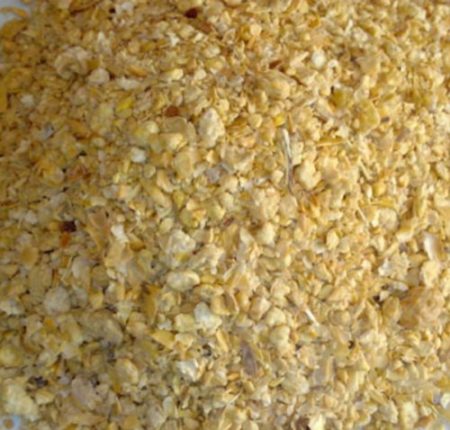
Soy In Horse Feeds The Silent Antinutrient. Check those feed tag labels! Many horses are allergic to the soy that is in the horse feeds today.
Treating Sweet Itch In Horses
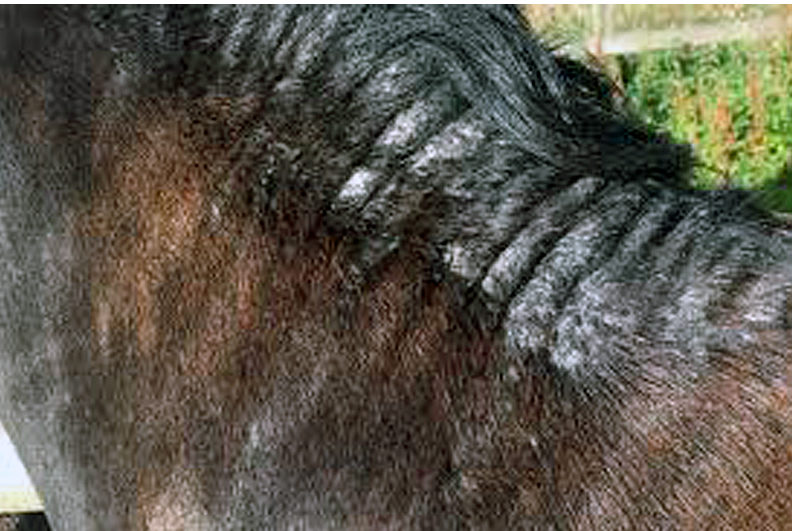
Let’s talk abut Treating Sweet Itch In Horses. Sweet itch (also known as summer itch or seasonal dermatitis) is believed to be an allergic reaction to the saliva of certain biting flies and the female culicode midge.
Horse Trailering Tips Too Hot To Trailer Or Ride
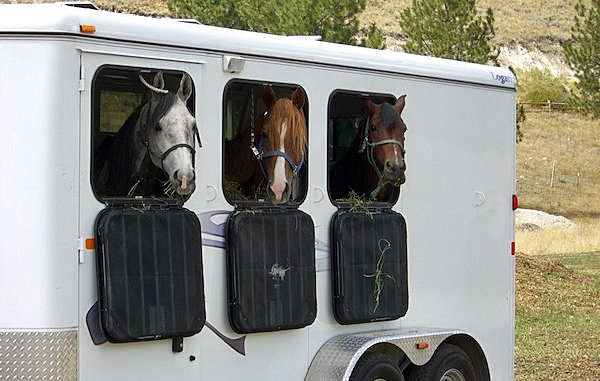
Horse Trailering Tips Too Hot To Trailer Or Ride “How Hot Is Too Hot To Ride?” Temperature + Humidity Level = 130 or higher…BEWARE!
How To Prepare For Vacation And Leave Your Horse Safely Behind
Summer is almost here. That means you may need to know How To Prepare For Vacation And Leave Your Horse Safely Behind as you are making your plans for summer vacation!
The Difference Between Horse Wormers
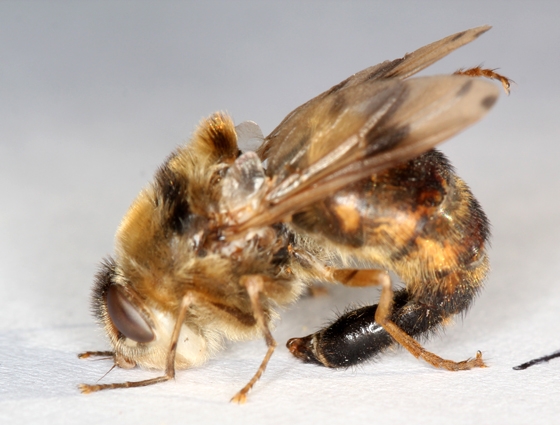
The Difference Between Horse Wormers. Not all wormers are the same. Do you know which is the best choice for your horse? Different wormers target different worms and parasites. An easy and inexpensive way to find out if your horse is infested is to get a sample of your horses manure. Your Vet will run […]
Importance Of Salt In A Horse’s Diet & Is My Horse Tying Up

We all know that salt is important to our horses diet, right? If you are new to horse ownership you might not know yet. It is crucial that you learn about the health risks involved when a horse isn’t receiving enough salt/sodium in the diet.
Allergies In Horses

Allergies In Horses include both skin allergies and respiratory allergies.
Natural And Artificial Flavoring
From time to time we are asked to define what is meant by the terms Natural And Artificial flavoring used in Equine Challenge Horse Supplements.
Creating The Correct Diet For Your Horse
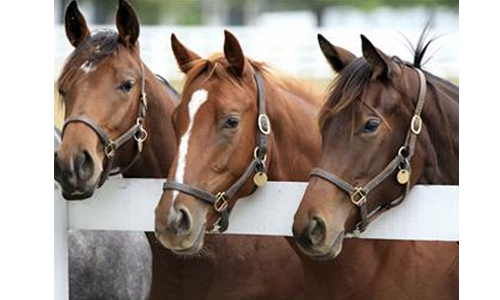
Horses by nature are grazing animals. Because their stomach empties approximately every 3-4 hours, they eat many times throughout the day.