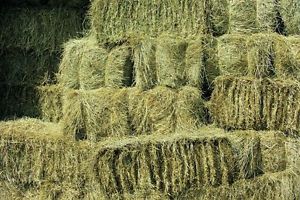
Hay types and varieties, which hay is best for your horse. Types and availability vary depending on region, and hays are representative of the climate in which they were grown.
Grass hay types are divided into two categories based on where they are grown, cool or warm season. Cool season grasses include orchard, tall fescue, timothy, brome, rye and bluegrass. They grow mainly in areas with warm days and cool nights.
Warm season grasses include Bermuda, big bluestem, and teff. They grow in climates characterized by hot days and warm nights. Warm season grasses are becoming much more popular due to their low levels of nonstructural carbohydrates (consuming high levels of these sugars and starches can lead to conditions such as insulin resistance, laminitis, etc….), and digestibility that are similar to some cool season grasses.
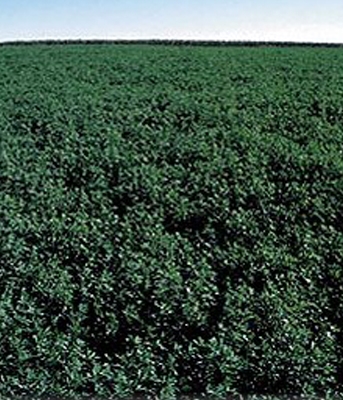
Legumes (alfalfa) and cool season grasses require similar growing conditions. You generally see them growing in the same areas. Alfalfa is the most common legume owners feed their horses. A large majority of the hay grown in the United States is alfalfa or a grass/alfalfa mix.
Cereal grain hays include oat, barley, and wheat. The ideal cereal grain hay is one cut at a leafy stage, when the seedhead has not yet emerged. This hay will have good protein and digestibility. When cereal grain hay is harvested with seedheads fully extended, the main nutrients are in the actual grain and the rest of the hay is basically just straw and typically low-quality.
Cereal hays should be avoided with horses with EMS, Cushing’s, IR or sugar and starch sensitivities, as these forages are high in carbohydrates.
Cuttings
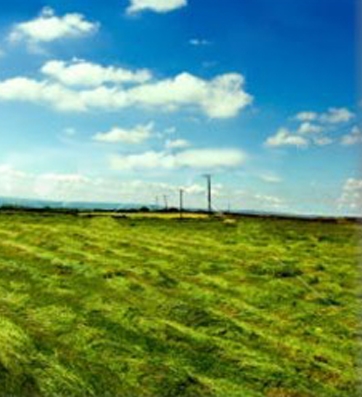
Normally the season’s first hay cutting offers the highest nutrients. This hay usually has a soft texture and is very leafy. Hays harvested later in the season usually have coarse, thick stems and fewer leaves than plants harvested early. The older the plant at harvest, the lower its nutrient value and palatability. Later cutting can still be a good choice for some horses such as easy keepers.
What To Look For Before Loading That Hay
- Hay free from dust, mold, and foreign objects. When horses sift through moldy or dusty hay, those irritants are released into the air and, when inhaled, can negatively impact a horse’s respiratory system. Foreign objects such as sticks, weeds, insects, and twine can also potentially harm a horse if ingested.
- A high leaf-to-stem ratio. Choose hay that contain a high proportion of leaves vs. stems and seed heads, the plant’s highest concentration of nutrients is in its leaves.
- Hay soft to the touch.
- A pleasant smell.
- A bright green color.
Which Hay Is Best For Your Horse?
Choose hay that is considered good quality for all ages and work levels of horses upon visual inspection.
Match the most nutritious hay to meet the nutritional need of the individual horse.
Equine Challenge offers forage specific vitamin & mineral supplements to balance both alfalfa forage diets and grass forage diets. We also offer regional blends to include No Selenium added for forages grown where the selenium levels in the soils are high and for forages grown in the Southwest, we have your horses covered there also. If you have questions as to which Equine Challenge Supplement will best meet the needs of your horse, please contact us at 800-806-6150 or email at kathy@equinechallengesupplements.com
Kathy Hartwig
𝐀𝐥𝐟𝐚𝐥𝐟𝐚
Alfalfa is one of the most talked-about forages in the horse world. Some horse owners swear by it, while others avoid it completely. The truth is, alfalfa can be a good feed option when matched to the right horse and feeding program.
𝐏𝐫𝐨𝐬:
• Higher in protein than most grass hays
• Rich in calories, making it useful for hard keepers and performance horses
• Naturally high in calcium and other nutrients
• Highly palatable — many horses love the taste
• Can help support weight gain and muscle maintenance
𝐂𝐨𝐧𝐬:
• May provide more calories than some horses need, leading to unwanted weight gain
• Easy keepers may become over-conditioned if fed too much
• The higher calcium content can create mineral imbalances if the overall diet isn’t balanced properly with a ration balancer to balance the calcium/phosphorus levels.
• Rich forage may not be ideal for every horse or every situation
• Poor-quality alfalfa can still contain dust, mold, or weeds
Like any forage, quality matters. The right hay for your horse depends on age, workload, body condition, metabolism, and nutritional needs. There isn’t a one-size-fits-all answer when it comes to feeding programs.
Teff Hay
Easy Keeper Horses
Teff is an annual, warm-season grass that is fine stemmed and tends to thrive in warmer, drier conditions.
Compared to cool season grasses, teff tends to be higher in fiber and lower in nonstructural carbohydrates (NSC) and digestible energy (DE). Because of this, Teff is a great option for horse owners with “easy keeper,” overweight, or horses diagnosed with Equine Metabolic Syndrome (EMS), laminitis, Pituitary Pars Intermedia Dysfunction (PPID), or Polysaccharide Storage Myopathy (PSSM). These horses tend to require total diets lower in NSC and DE, making teff a desirable option.
Nutritional Values
Teff has higher amounts of fiber and lower amounts of nonstructural carbohydrates (NSC), digestible energy (DE), and crude protein (CP) compared to cool-season grasses and legumes.
The combination of higher fiber and lower NSC values have been reported to decrease the glucose and insulin response in horses. Maintaining a more level insulin response is thought to be desirable in horses diagnosed with metabolic diseases like EMS.
When harvested under ideal weather conditions and maturity, teff hay is described as fine stemmed and leafy. Like any forage, environmental conditions, maturity at the time of harvest and production practices can greatly impact forage quality.
Best Uses For Teff
Research on grazing teff and feeding it as hay confirms it can be used as a horse forage but is more suitable for horses with lower energy demands or horses prone to metabolic concerns.
While teff is known in the horse world as a forage for “easy keeping,” overweight, laminitic, or metabolically challenged horses, some horses may turn their nose up to it, holding out for a sweeter forage.
Orchard Grass
Orchard grass hay has become a favorite choice for many horse owners because of its soft texture, palatability, and versatility. But like any forage, there are advantages and disadvantages to consider.
𝐏𝐫𝐨𝐬:
• Soft, leafy texture that many horses enjoy eating
• Often lower in calories than alfalfa, making it a good option for many horses
• Provides fiber to support digestive health and healthy gut function
• Can be a good choice for horses that are sensitive to richer hays
• Commonly less dusty when harvested and stored properly
𝐂𝐨𝐧𝐬:
• Nutrient levels can vary depending on harvest timing and growing conditions
• Some orchard grass hay may be lower in protein and certain minerals than horses with higher workloads require • May not be a good choice for easy keeper horses/horses with metabolic problems
• Early-cut orchard grass can sometimes be higher in sugars than expected
• Poor-quality hay can still contain mold, weeds, or excess dust
• Performance horses, growing horses, or seniors may need additional nutritional support
Today’s grown forage can vary significantly in nutrient content, making hay quality just as important as hay type. Taking a closer look at what’s in your horse’s hay can help support body condition, energy levels, and overall wellness.
𝐖𝐡𝐞𝐚𝐭 𝐇𝐚𝐲 𝐅𝐨𝐫 𝐇𝐨𝐫𝐬𝐞𝐬: 𝐆𝐨𝐨𝐝 𝐎𝐫 𝐁𝐚𝐝?
Horses With Higher Nutritional Needs
For those horses that need higher nutritional needs add a grain such as whole oats to the diet and Equine Challenge Supplements ration balancers to fill the nutritional gaps and balance the diet.